

HN Summary
• The Royal’s Research Institute is studying whether music and movement can improve mental well-being in older adults and become a prescribed treatment alongside traditional mental health care.
• Early findings suggest the program is enhancing mood, social connection, mental alertness and overall quality of life by combining music, rhythm and movement.
• Researchers hope the evidence will support a scalable “Music on Prescription” model, offering an accessible, low-cost approach to promoting healthy aging and mental wellness.
As Canada’s population ages, researchers are exploring new ways to support mental well-being while easing pressure on health-care systems. At The Royal’s Music and Mental Health Research Clinic, a groundbreaking initiative is examining whether music could one day be prescribed as a complementary or alternative mental health treatment for older adults.
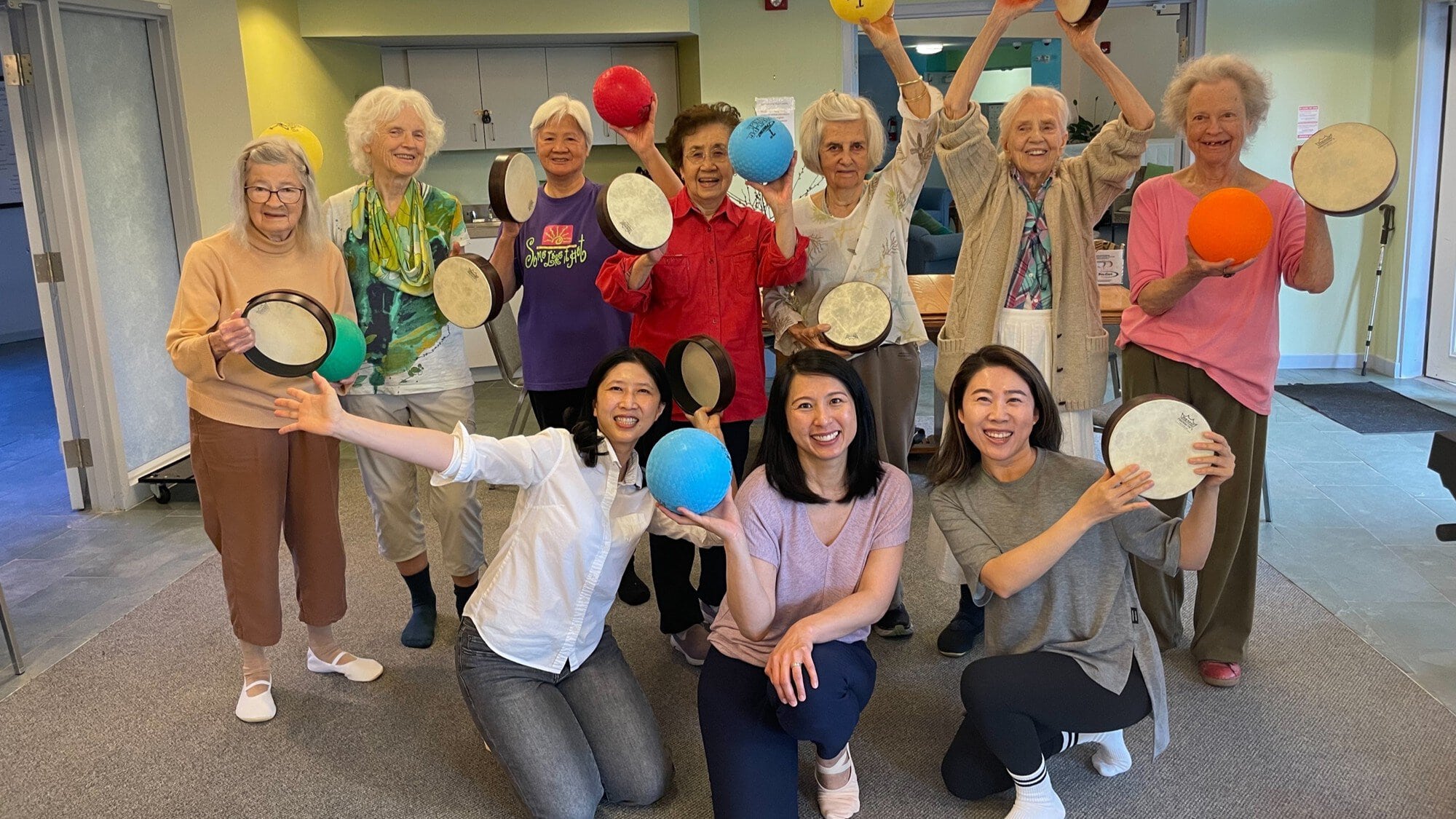
Led by Dr. Gilles Comeau, Senior Scientist at The Royal’s Research Institute, the research focuses on how music and movement can engage the mind, emotions and body simultaneously. Early findings suggest the approach is improving participants’ overall health.
“What we are seeing in these early stages is incredibly encouraging,” said Comeau. “Participants are experiencing greater joy and well-being, becoming more engaged, strengthening social connections, and describing a heightened sense of mental alertness—all contributing to meaningful improvements in their quality of life.”
The science behind music and movement
The project is based on the Dalcroze method, developed by Swiss musician Émile Jaques-Dalcroze in the early 20th century. By combining music, rhythm and movement, the approach stimulates cognitive, emotional and physical functioning at the same time.
Research shows that music activates multiple regions of the brain, supporting memory, attention, emotional regulation and social connection. For older adults, music-based activities have been linked to reduced loneliness, improved mood and greater engagement in daily life.
Researchers at The Royal are exploring how these benefits can be applied in a structured, evidence-based way to improve mental health outcomes.

From recreation to “Music on Prescription”
A key goal of the initiative is to move music interventions beyond recreation programs and into mainstream health care.
Supported by $5.5 million from the Social Sciences and Humanities Research Council, the Public Health Agency of Canada and the Canadian Foundation for Innovation, the project aims to build the evidence needed for a scalable “Music on Prescription” model.
Under this approach, health-care providers could prescribe music-based interventions as part of a treatment plan, much like exercise prescriptions are increasingly used to support physical, cardiac and mental health. The model could offer older adults an accessible, low-cost form of support that complements traditional therapies.
“Research is essential to transforming innovative ideas into real-world care,” said Dr. Florence Dzierszinski, President and CEO of the Research Institute, The Royal. “By strengthening the evidence behind music and movement interventions, we can improve access to more personalized, effective care and integrate these approaches into the mental health-care system.”
Global momentum for music-based care
The concept is already gaining momentum internationally. In Switzerland, some insurance providers cover Dalcroze Eurhythmics classes for older adults because of their demonstrated benefits for mobility, fall prevention and well-being.
The Royal’s research could help position Canada as a leader in this emerging field by providing the evidence needed to support broader adoption of music-based therapies.
By bringing together research, clinical care and the arts, The Royal is helping redefine mental health treatment for older adults. Music on Prescription offers a practical, holistic approach to healthy aging that recognizes the therapeutic power of music as a complement to conventional care.
Spotlight: Music in action across The Royal
The promise of Music on Prescription is already visible across The Royal. In programs within the Psychosis Clinic, Schizophrenia Unit and community settings, participants are building confidence, strengthening social connections and expressing themselves through singing, songwriting, movement and learning instruments.
Staff and clients participate side by side, creating an environment where everyone contributes and learns together. Clinicians report that music groups help reduce isolation, increase motivation and create opportunities for self-expression. Participants have written original songs, given choreographic performances at community events and supported one another through shared creativity.
The impact extends beyond clients. Staff describe the groups as highlights of their week, noting the positive energy, stronger relationships and sense of belonging they create. Similar benefits are being seen in programs for newcomers and refugees, where music fosters connection, joy and emotional well-being.
Together, these experiences offer a glimpse of what a future Music on Prescription model could achieve: accessible, community-based care that supports mental health through creativity, connection and participation.